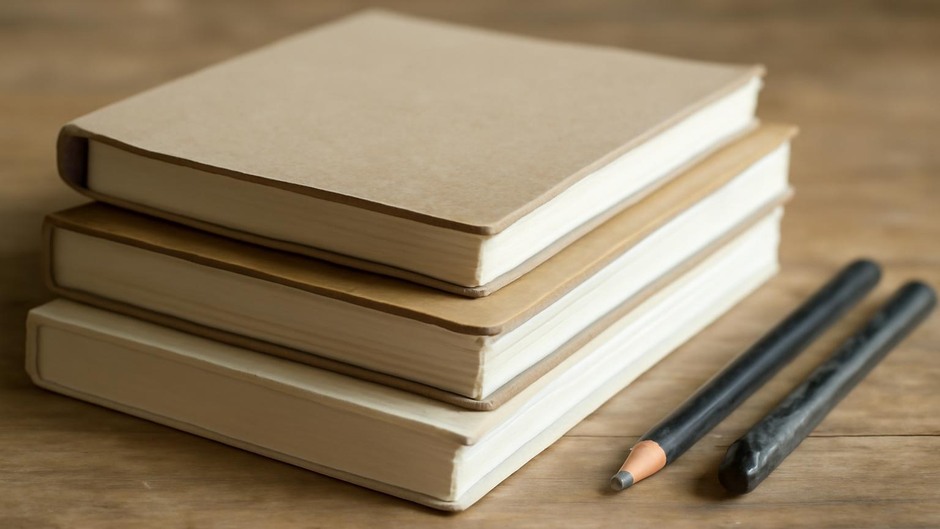
Material Choices for Sustainable Sketchbooks and Long-lasting Marks
Balancing durability and routine
Choosing materials for sketching involves trade-offs. Acid-free papers, stable inks, and well-made bindings increase longevity, while affordable options and forgiving surfaces encourage daily practice. Sustainable choices need not be expensive; they often ask for awareness and small adjustments rather than wholesale replacement.
Paper: weight and fibre
Sketchbook paper comes in a range of weights and fibres. Heavier paper (160–300 gsm) withstands wet media and erasing, while lighter sheets are sufficient for dry media and rapid studies. Look for papers labelled as acid-free or with a neutral pH; these resist yellowing over time. Recycled papers can be a responsible option when chosen for their weight and sizing—some recycled papers accept pencil and ink differently, so test before committing to a whole book.
Bindings and repairability
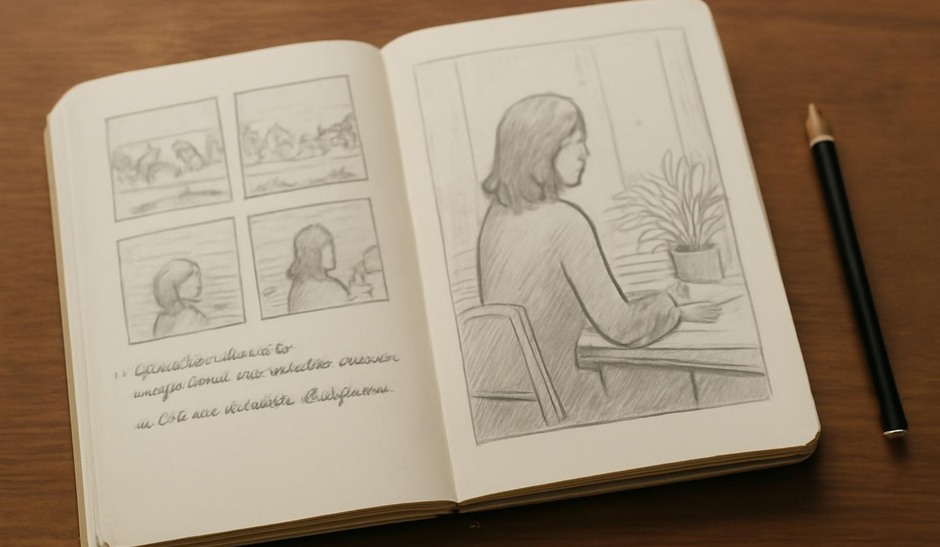
Spiral-bound sketchbooks lie flat for scanning and studio work, but they can come apart over years of use. Sewn bindings often last longer and allow pages to be removed cleanly for framing or scanning. When possible, choose books with repairable bindings or maintain a small repair kit: a needle, strong thread, and archival-quality glue will extend the life of a favourite sketchbook.
Pencils, inks, and permanence
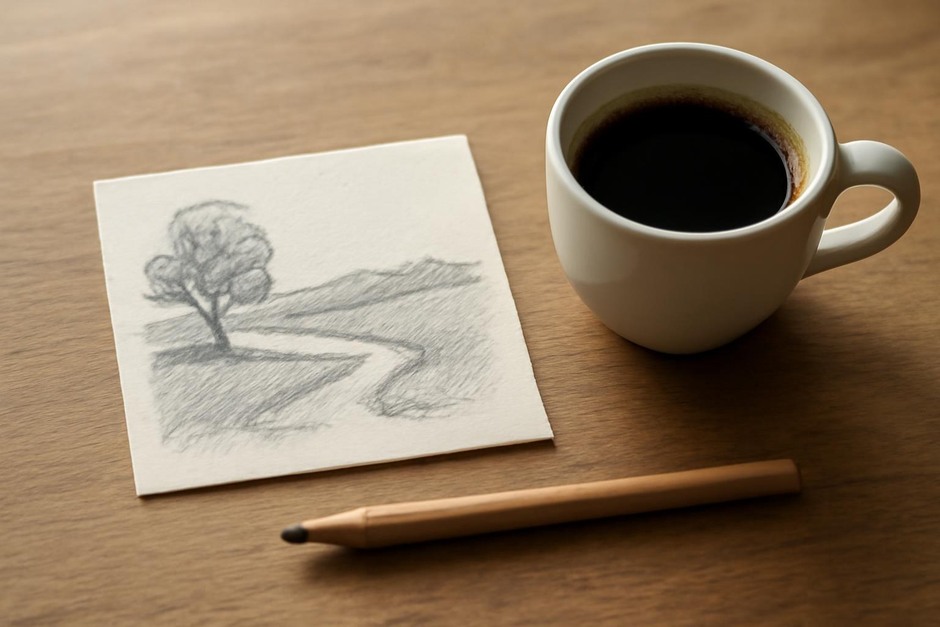
The permanence of marks matters for archival work but can limit flexibility for later layering. Graphite pencils are stable and erasable, making them ideal for iterative exploration. For ink work, pigmented inks resist fading better than dye-based alternatives. Consider keeping one archival-grade tool for work you intend to keep and a more playful set for experiments and studies.
Consumables and waste reduction
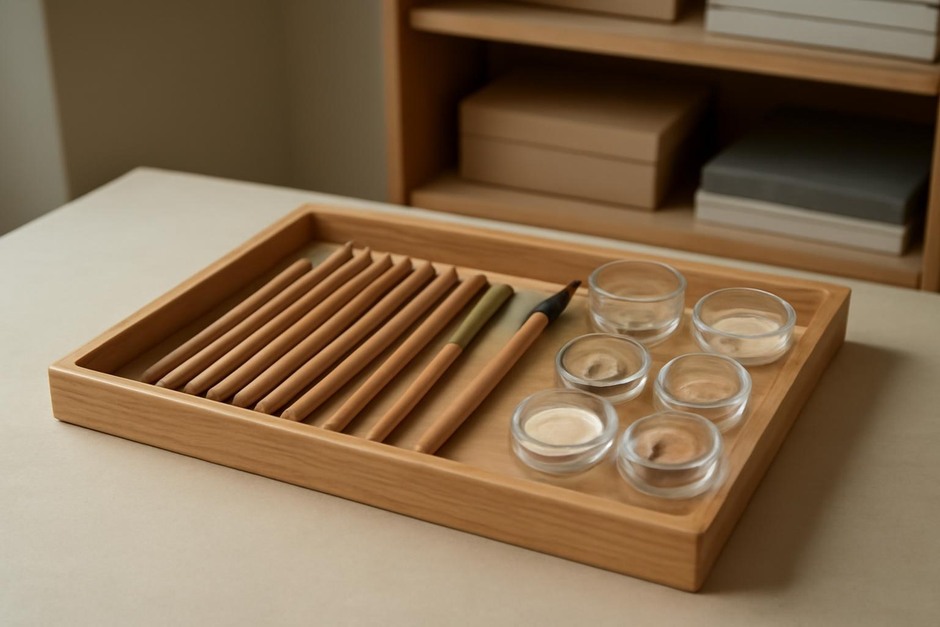
Use pencil sharpeners that retain shavings for canisters to reduce scattered litter. Refillable fountain pens and mechanical pencils generate less waste than disposable alternatives. When using paint, reserve and label leftover colours in small, reusable containers to avoid frequent single-use mixing. These small habits reduce ongoing waste without changing the joy of working.
Testing and swatch systems
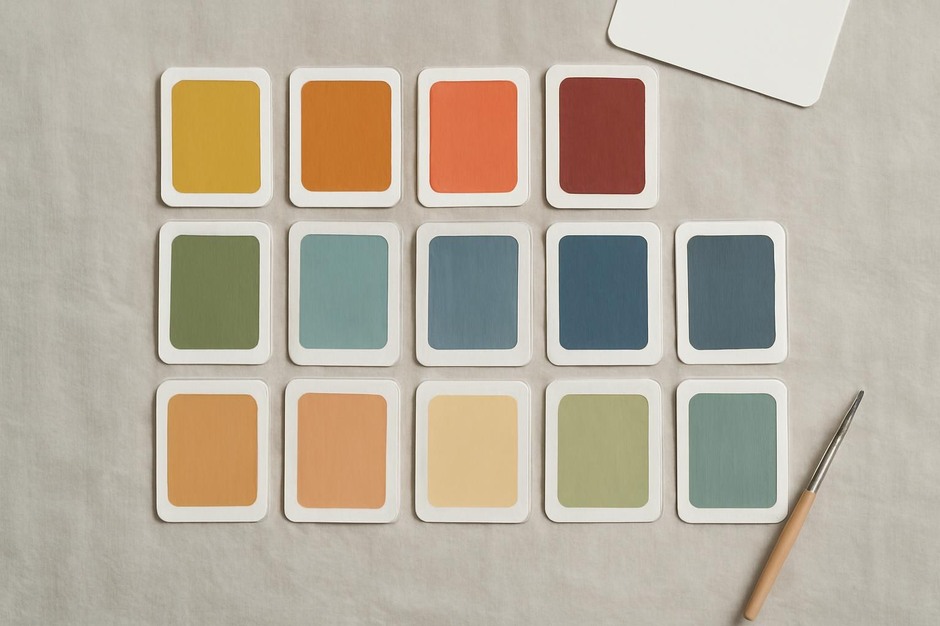
Maintain a swatch page in the front or back of each sketchbook. Test media combinations—pencil over wash, ink under gouache—and note how they behave. A modest palette of tried-and-true materials helps you work quickly and sustainably; it also reduces the impulse to buy new items that will see little use.
Storage and environmental care
Store sketchbooks flat or upright in a cool, dry place away from direct sunlight. Extreme humidity and temperature fluctuations accelerate paper breakdown. Use archival-quality sleeves or boxes for particularly important books. If you work in a damp space, a small dehumidifying packet in a sealed container can protect a valuable sketchbook.
Practice over perfection
Sustainable material choices support a long creative life. They do not require perfection—only consistent attention. Combine a few durable, reliable tools with one or two experimental items, and you will keep practice both enjoyable and responsible.