Daily Micro-Practices: Small Habits That Build Sketching Consistency
Why micro-practices work
Large projects are motivating but hard to sustain. Micro-practices are short, concrete tasks that fit into daily life and lower the barrier to starting. Ten minutes of focused observation, done most days, adds up quickly and cultivates a steady eye for proportion, tone, and composition.
Set a small, clear constraint
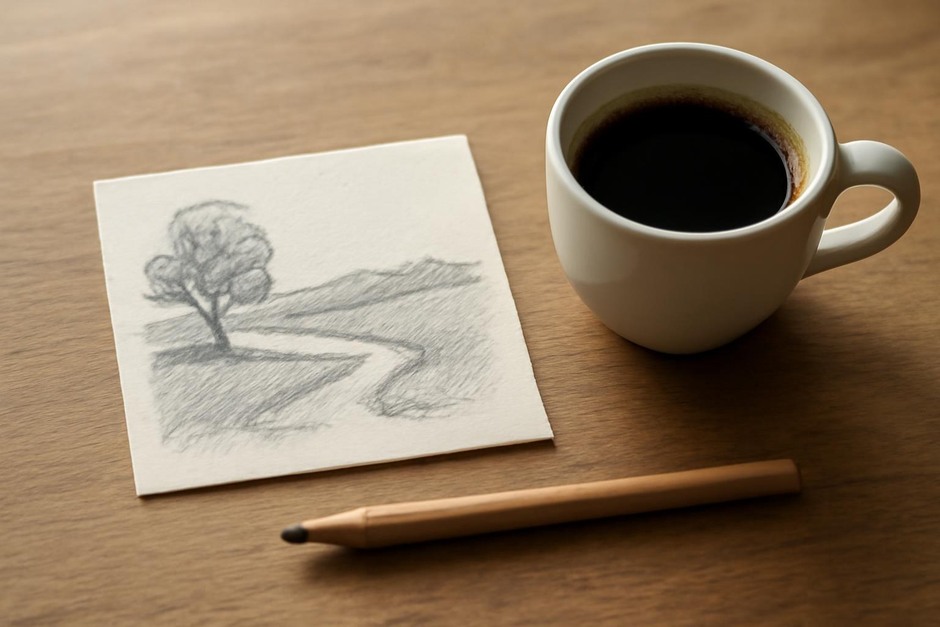
Constraints make decisions easier. Try a five-minute gesture study, a ten-minute tone exercise, or a single-colour value sketch. A consistent limitation—such as always using the same paper size or a single pencil grade—reduces setup time and encourages repeated practice.
Use timed sessions as scaffolding
Setting a soft timer helps maintain focus while keeping the practice brief. Short sessions encourage risk-taking and freehand observation. Start with a timer of five to fifteen minutes, then make a note of what you observed without judgment. Over weeks, you will notice improved speed and clarity.
Develop a prompt library
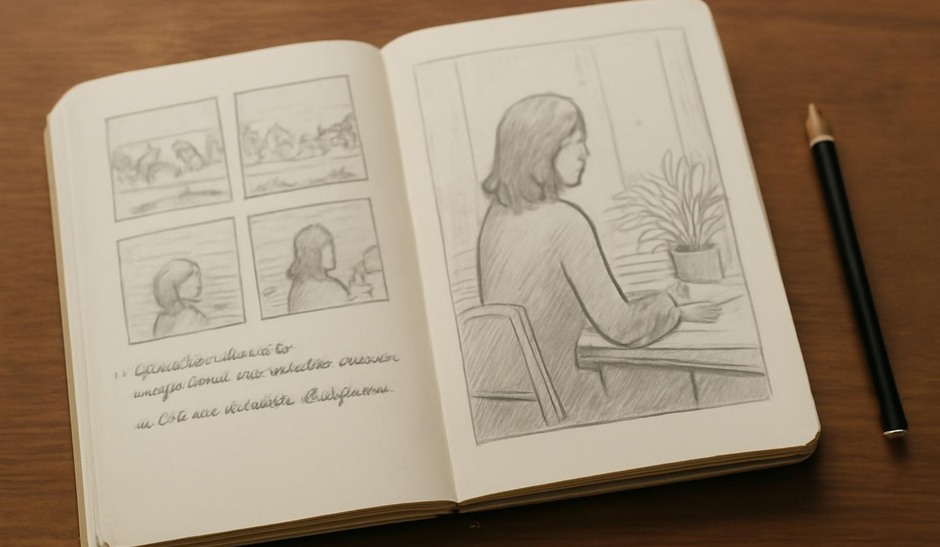
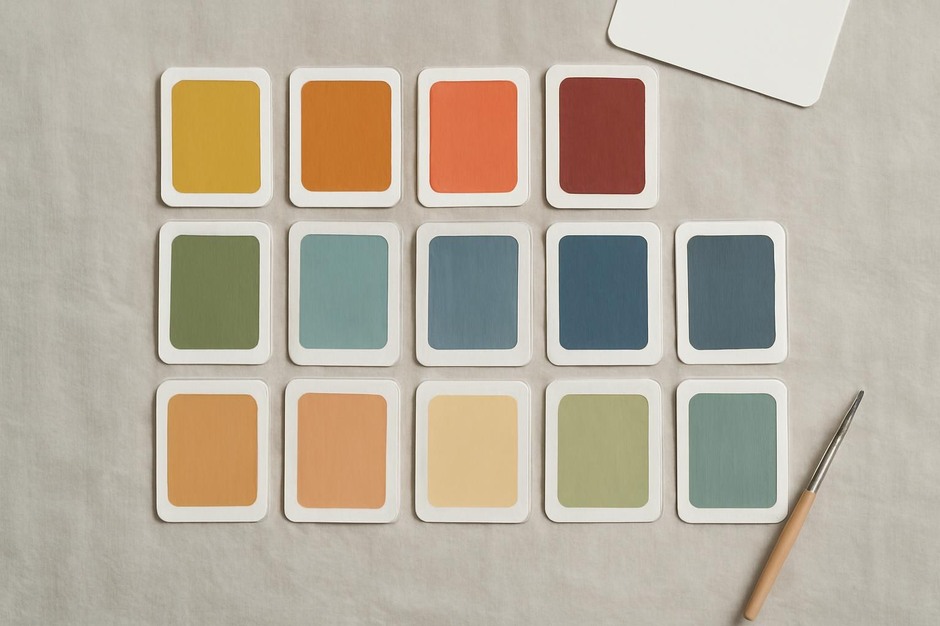
Create a small list of prompts to prevent decision fatigue: 1) contour of a nearby object, 2) tonal study of a light source, 3) negative-space sketch of a chair, 4) quick colour patch of the sky. Rotate prompts to keep practice varied while maintaining structure.
Combine ritual with logistics
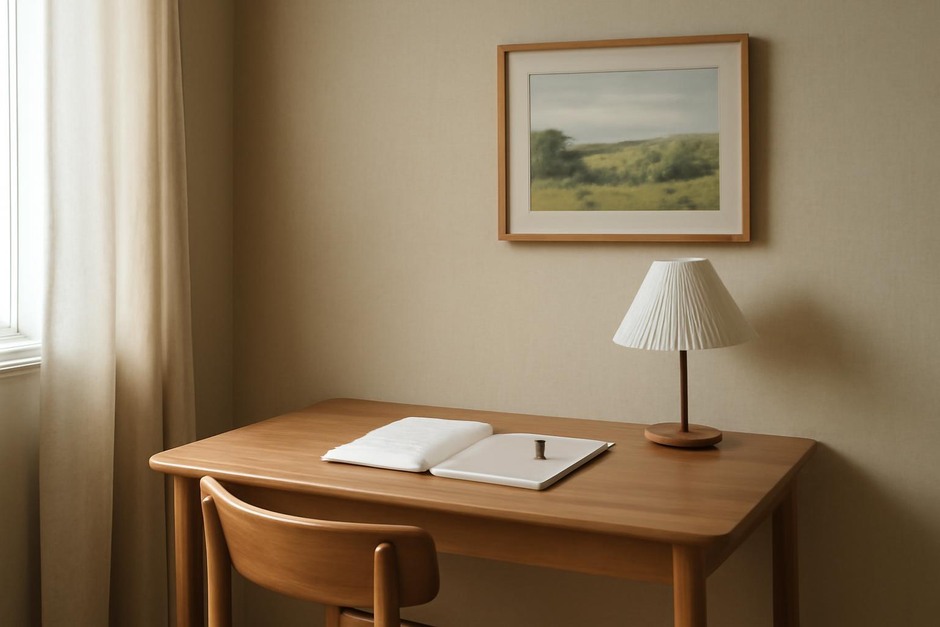
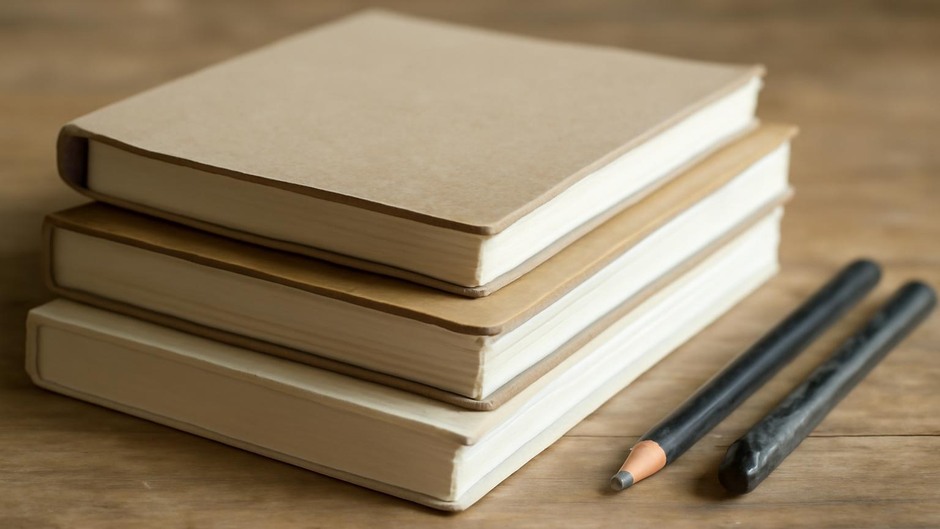
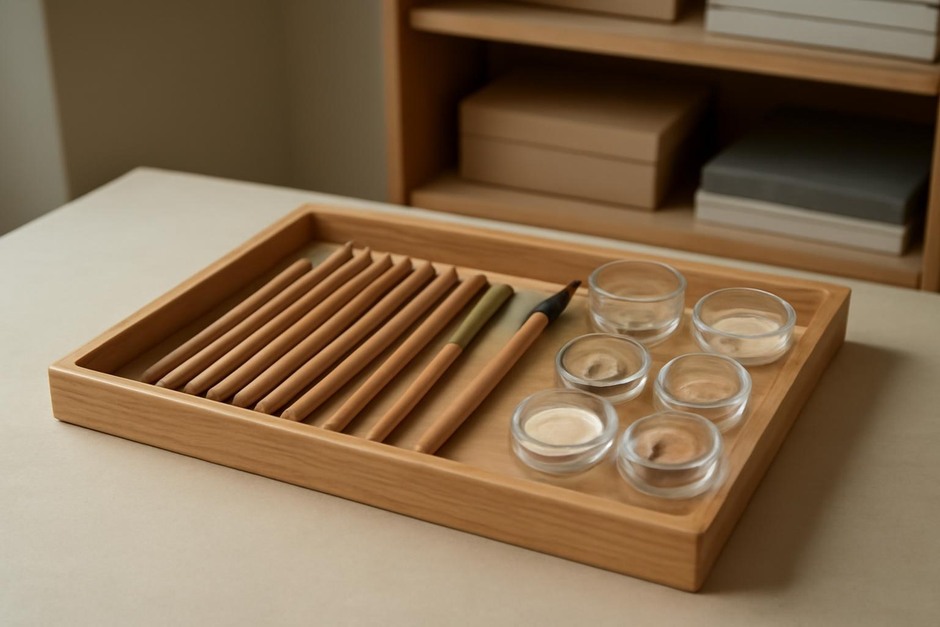
Pair sketching with an existing habit: sketch while waiting for tea to steep, during a morning window of quiet, or for a few minutes after returning home. Keep a ready-to-use sketchbook and a small kit so the short ritual is frictionless.
Track progress with a simple ledger
Record dates and a one-line note for each micro-practice. This lightweight ledger is not a performance tracker but a gentle record that invites reflection. Over months, patterns emerge—times of day when you are most observant, prompts that develop muscle memory, and materials that consistently produce pleasing results.
Allow variation and rest
Micro-practices are meant to be sustainable. If a day is too full, do a twenty-second contour or a one-minute value observation. Rest is also part of a healthy routine; periodic pauses allow perspective and creative replenishment.
From minutes to momentum
Small practices compound. As confidence grows, extend sessions, link several micro-practices together, or use them as warm-ups for longer studio work. The emphasis is on regular, low-pressure attention to seeing and mark-making. Over time, those minutes become reliable momentum for larger, more composed projects.